The Dark Side of Social Media
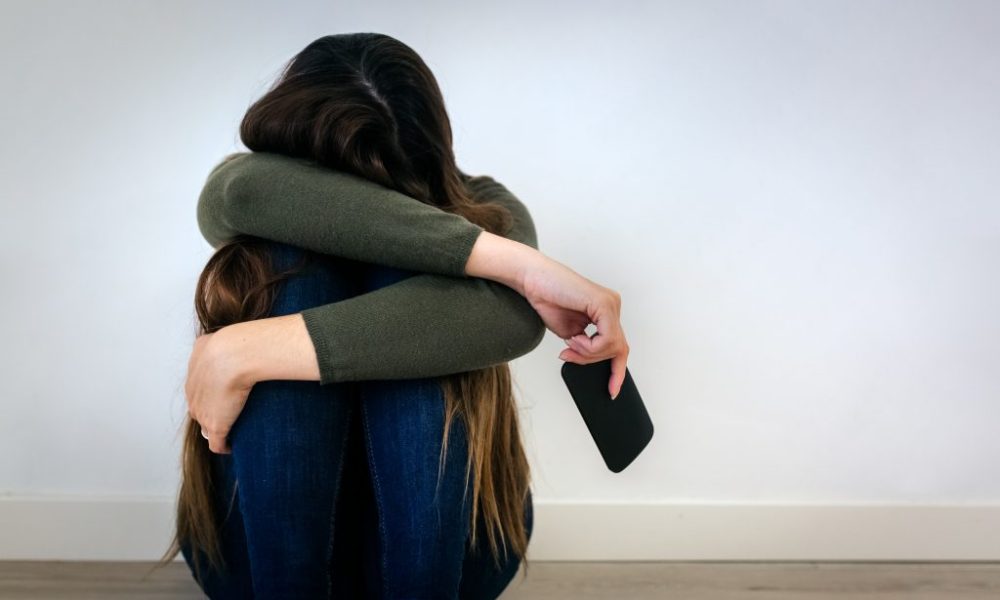
While social media is great for people around the world to connect, it can also have some negative impacts, especially on young females. Jasmine Fardouly and Elise Holland claim in their article that “Viewing Idealized Images Taken From Social Media had a Negative Influence on Women’s Body Image.” As there is already unrealistic expectations for what women should look like, social media adds to the pressures of what women think they are supposed to look like. There are several outlets that young girls are exposed to women with “perfect” bodies. Through outlets such as Facebook, Instagram, Twitter, Pinterest, etc, girls are exposed to celebrity photos and through this see what society finds appealing. Because of how much they look up to their favorite celebrities, young girls who idolize them wish to mimic their appearance.
How Does Social Media Cause Negative Body Image?
Negative body image through social media mostly comes from young females viewing photos or videos of other females. “Meta-analyses suggest that the mass media, which depicts thin and largely unattainable beauty ideals, plays an important role in fueling women’s body dissatisfaction (Fardouly and Holland 4312).” By looking at other women, females start to compare their appearance to others. They start to notice everything others have and everything they don’t have. Once the comparing starts, it is hard to stop. Women can develop unhealthy habits in order to achieve the look that others have, such as toxic diets, excessive workouts, starvation, and eating disorders. It easy to feel this way after looking at a bunch of idolized women, however, there should be a solution to decrease this emotion.
What can be Done?
Continuing with Fardouly and Holland’s article, they believe that disclaimers that warn viewers of its unrealistic qualities, such as photoshop. By having disclaimers, Fardouly and Holland believe that the number of women who develop negative body image will lessen: ” By extension, viewers will engage in fewer upward comparisons, serving to diminish the negative body image outcomes that arise from exposure to such idealized images” (Fardouly and Holland 4313). The idea seems to be impactful and the use of disclaimers have been turned into laws worldwide. Is disclaimers the solution? Unfortunately, disclaimers are not. Research has shown that disclaimers would barely make a difference in the numbers of females with negative body image.
Are There any Solutions?
There is no solution that is100% affective to stoping social media from causing negative body image in women; however, I have a personal method that helps me remember to love my body. In order to help me be positive about my body, I use social media. Despite social media having a bad influence on body image, it can just as easily promote a bright mind toward body image. I like to follow Instagram accounts that share self-acceptance, healthy bodies, positive body image, uplifting-quotes, inspirational photos, etc. Through these accounts, I forget everything I was belittling myself with and I learn to love who I am and what I have. Here are some Instagram accounts that I love:
3. Laikenrichelle:
Fardouly, Jasmine, and Elise Holland. “Social Media Is Not Real Life: The Effect of Attaching Disclaimer-Type Labels to Idealized Social Media Images on Women’s Body Image and Mood.” New Media & Society, vol. 20, no. 11, Nov. 2018, pp. 4311–4328. EBSCOhost, doi:10.1177/1461444818771083.
 Body Image